
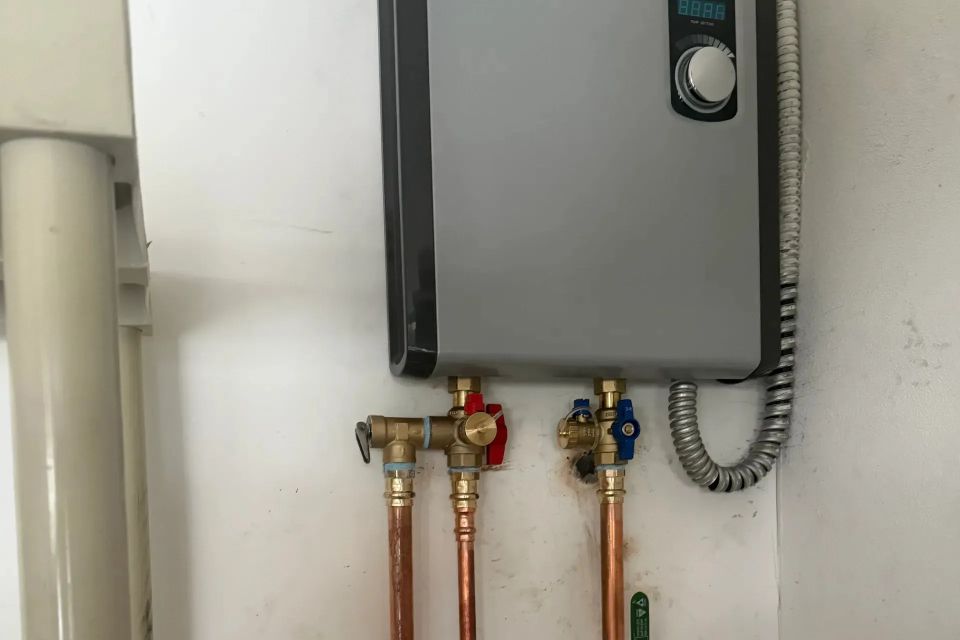
Thinking About Going Tankless?
Upgrading to a tankless water heater means no more running out of hot water mid-shower. Instead of storing hot water in a tank, these systems heat it as you use it, giving you a steady, on-demand supply while also freeing up space in your home.
That said, not every setup is the same. The right choice depends on your home, your usage, and how your system is installed. Let’s break down the options so you know exactly what to expect.
That said, not every setup is the same. The right choice depends on your home, your usage, and how your system is installed. Let’s break down the options so you know exactly what to expect.
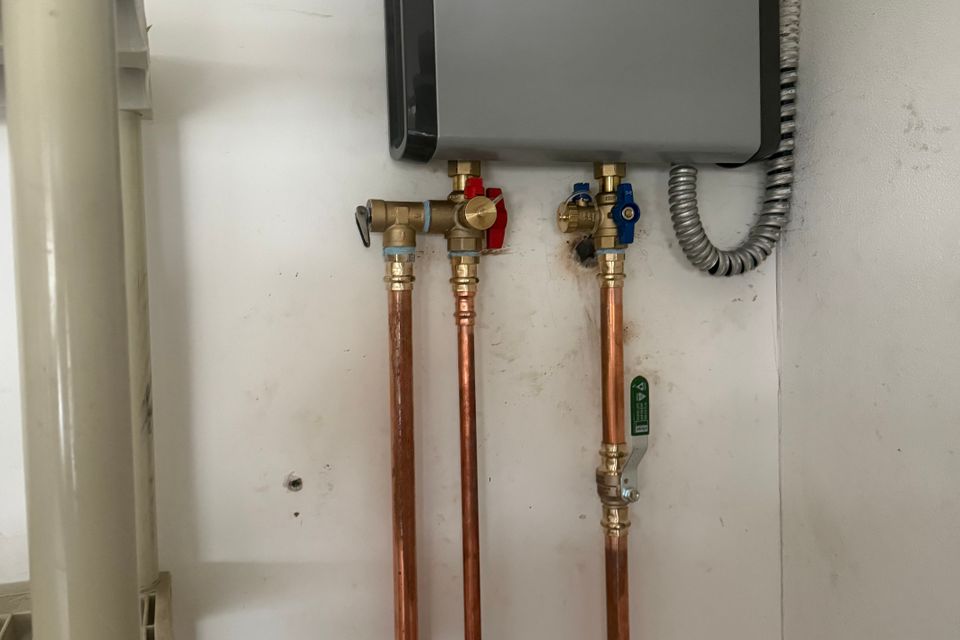
ELECTRIC TANKLESS WATER HEATERS
Electric tankless systems are a common choice, especially for smaller homes or specific areas like sinks.
They come in a wide range of power levels, but here’s the reality… lower-powered units often struggle to keep up with everyday use. If the unit isn’t strong enough, you’ll notice it fast, especially in the shower.
For example:
- Smaller units may only handle a sink
- Mid-range units can barely keep up with a shower
-
Higher-powered units are needed for full-home use
Another big factor is your electrical setup. These systems require proper wiring and breakers to safely handle the load. Cutting corners here isn’t just a bad install, it’s a safety issue.
When Electric Makes Sense
- Small homes or apartments
- Single-use areas like sinks or offices
-
Homes without access to gas
What to Watch Out For
- Limited output if undersized
- Performance drops in colder weather
- Electrical upgrades may be required
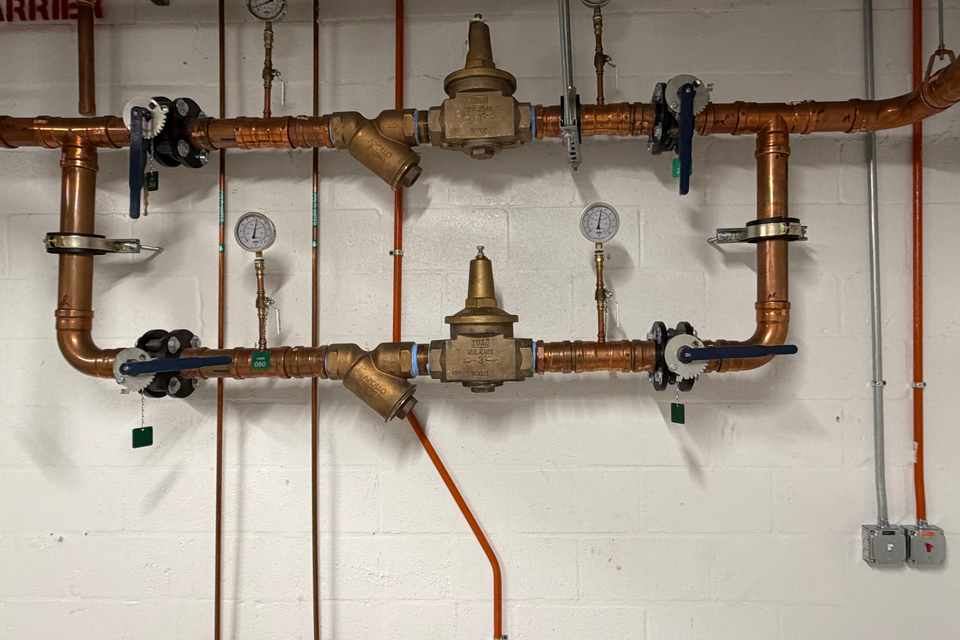
GAS TANKLESS WATER HEATERS
Gas tankless systems are where you start seeing serious performance. These units heat water quickly and can handle multiple fixtures running at the same time.
Instead of storing hot water, they heat it instantly as it passes through the system. That means long showers, laundry, and dishes can all run without running out.
Why Homeowners Choose Gas
Consistent Hot Water
Hot water is available whenever you need it, even during high usage.
Better Performance for Larger Homes
Handles multiple bathrooms and higher demand without struggling.
Energy Efficiency
Only heats water when you use it, instead of constantly maintaining a tank.
Space Saving
Wall-mounted design frees up room compared to bulky tanks.
Instead of storing hot water, they heat it instantly as it passes through the system. That means long showers, laundry, and dishes can all run without running out.
Why Homeowners Choose Gas
Consistent Hot WaterHot water is available whenever you need it, even during high usage.
Better Performance for Larger Homes
Handles multiple bathrooms and higher demand without struggling.
Energy Efficiency
Only heats water when you use it, instead of constantly maintaining a tank.
Space Saving
Wall-mounted design frees up room compared to bulky tanks.
THINGS TO CONSIDER WITH GAS SYSTEMS
Gas systems are powerful, but they do come with a few things to plan for.
Installation Requirements
- Proper gas line setup
- Venting for exhaust
-
Professional installation
Flow Limits
Even though they perform well, very large homes may need more than one unit to keep up with heavy usage.
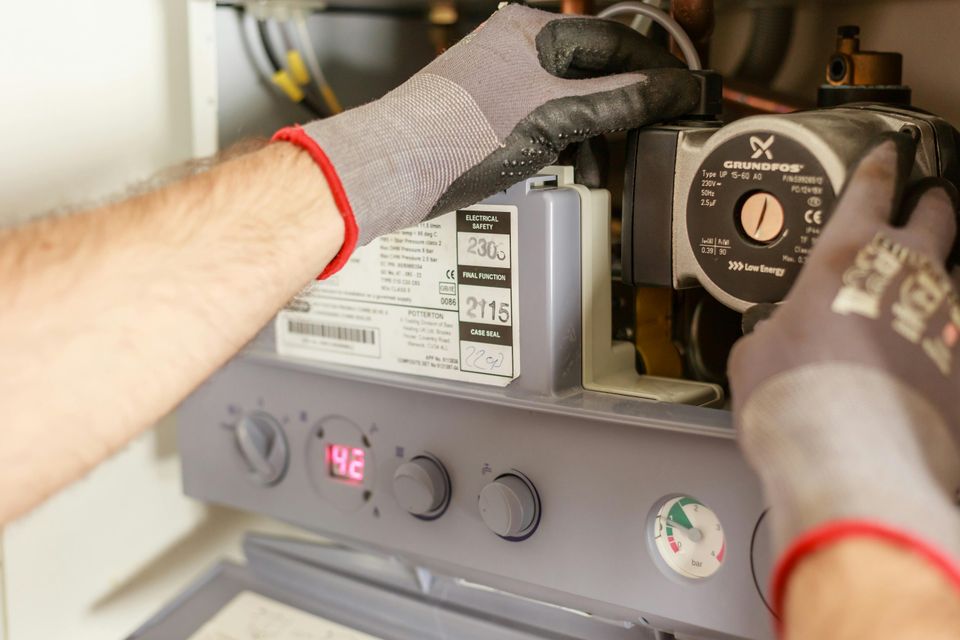
CONDENSING VS NON-CONDENSING
If you’re going with gas, you’ll likely choose between two types.
Condensing Systems
These reuse heat that would normally be wasted, making them more efficient overall.
Non-Condensing Systems
These are simpler systems that heat water and release exhaust.
Condensing Systems
These reuse heat that would normally be wasted, making them more efficient overall.- Lower energy usage over time
- Higher upfront cost
- Requires drainage and maintenance
Non-Condensing Systems
These are simpler systems that heat water and release exhaust.
- Lower upfront cost
- Less complex installation
- Slightly less efficient
What to Expect
COST EXPECTATIONS
Pricing can vary depending on the setup, but here’s a general idea:
- Basic installs (replacing an existing system) cost less
- New installs (adding gas lines or relocating systems) cost more
-
Larger homes may require multiple units
You’re typically looking at a few thousand dollars depending on the scope of work.
The key here is not just the unit, but how it’s installed. A cheaper install often means corners are being cut somewhere.
The key here is not just the unit, but how it’s installed. A cheaper install often means corners are being cut somewhere.

COMMON ISSUES WITH TANKLESS SYSTEMS
Tankless systems are reliable, but when something’s off, it shows up fast.
Common problems include:
Common problems include:
- Mineral buildup restricting flow
- System shutting off during use
- Inconsistent water temperature
-
Ignition or power issues
If your water suddenly turns lukewarm or the unit keeps resetting, it’s time to have it checked.

INSTALLATION & SERVICE
A proper installation makes all the difference. It’s not just about mounting the unit, it’s about making sure everything is sized, connected, and running correctly for your home.
That includes:
That includes:
- Choosing the right system for your usage
- Making sure gas or electrical requirements are met
-
Testing everything after installation
Ongoing maintenance also helps keep your system running efficiently and extends its lifespan.
Ready to Upgrade?
If you’re thinking about switching to tankless, the best move is getting a setup that actually fits your home and your usage.
No guessing. No undersized systems. No shortcuts.
Reach out and we’ll help you figure out the right option so you get consistent hot water without the headaches.
No guessing. No undersized systems. No shortcuts.
Reach out and we’ll help you figure out the right option so you get consistent hot water without the headaches.